
If you’ve ever looked at your garden and thought, “It’s probably too small for a garden room”... you’re not alone. It’s one of the most common concerns we hear, and in reality, it’s rarely the case.
How Much Garden Space Do I Need?
The truth is, you don’t need a huge outdoor space to create something functional, stylish, and genuinely transformative. With the right design approach, even compact gardens can accommodate a high-quality garden room that feels anything but small.
This guide breaks down exactly how much space you need, what to consider, and how to make the most of what you’ve got.

Maximising a Small Garden Footprint
A smaller garden doesn’t mean compromising on usability; it just means being smarter with layout and purpose.
One of the biggest advantages of modern garden rooms is how efficiently they use space. A well-designed 3m x 3m or 4m x 3m building can comfortably function as:
A fully equipped home office
-
A home gym
-
A snug or entertainment space
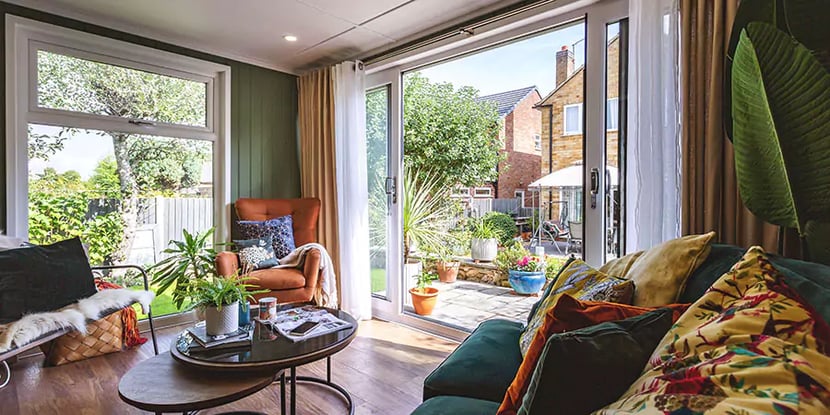
The key is zoning the interior properly. For example, a compact office can still include built-in storage, a desk area, and soft seating without feeling cramped. Similarly, a garden salon can be laid out to include both treatment and waiting areas with careful planning.
Externally, positioning matters just as much. Placing a garden room at the end or corner of your garden helps maintain open space, giving the illusion of a larger overall footprint while still making full use of the area available.
Even narrow or awkwardly shaped gardens can work well; it's about designing around the space, not against it.
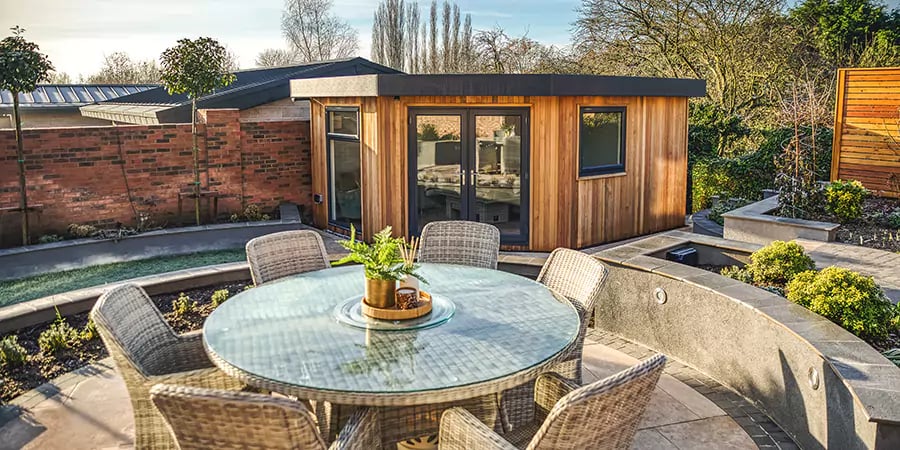
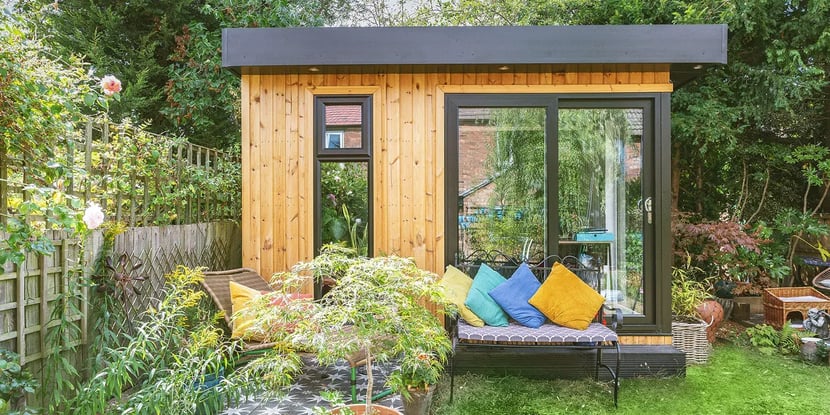
The 2.8m x 2.3m small garden office, shown below, is a great example of how a compact footprint can still deliver a space that works across multiple uses. The customer wanted somewhere practical for working from home, but also a place to switch off and enjoy their hobbies without taking over the house. By choosing a modestly sized garden room, they were able to position it neatly within their garden without losing valuable outdoor space. Inside, the layout has been kept simple but effective, with enough room for a desk setup alongside storage and space to relax. Natural light plays a big role here too, helping the room feel open rather than restricted. What this project shows is that you don’t need to go large to create something genuinely useful. With the right design, even a smaller garden room can become a dedicated environment that separates work and downtime, improving focus during the day while still offering a comfortable place to unwind afterwards.
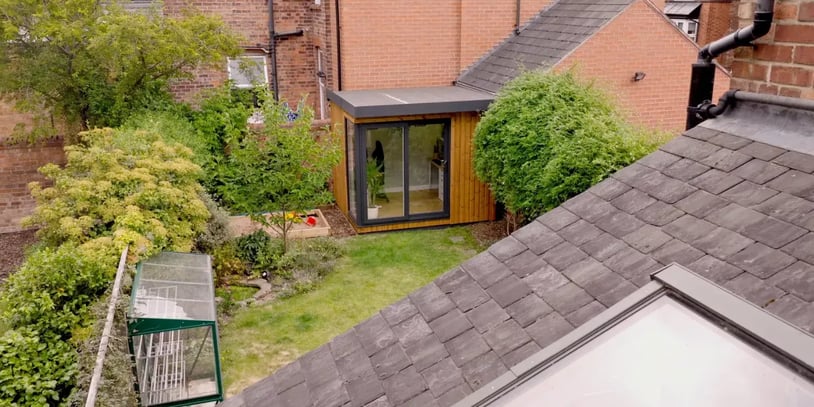
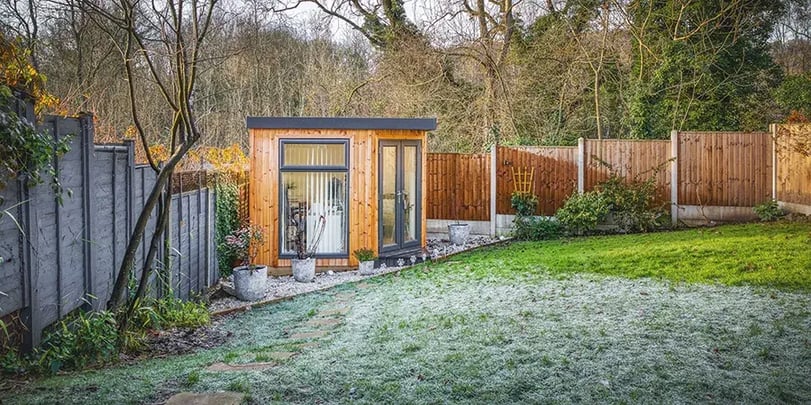
Kate’s 3.7m x 2.5m corner garden office pod is a strong example of how to make the most of an otherwise unused area of the garden. By positioning the building into a corner, the design works with the space available rather than competing with it, leaving the rest of the garden open while still creating a dedicated work environment. The compact size makes it ideal for a home office setup, giving Kate a quiet, separate place to focus without needing a large footprint. Internally, the space has been designed to feel clean and uncluttered, with just enough room for everything needed to work comfortably. The placement also helps create a sense of privacy, making it easier to step away from the distractions of the house. This project demonstrates how even the smallest or most awkward areas of a garden can be transformed into something highly functional, proving that a well-planned layout is often more important than the overall size of the building.
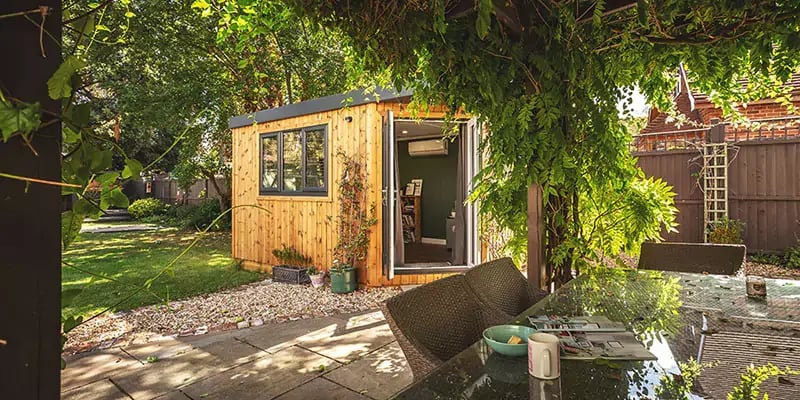
Penny’s 3.2m 2.6m garden room summerhouse highlights how a smaller garden can still accommodate a space designed purely for enjoyment. Rather than focusing on work or practicality alone, this building was created as a place to relax, entertain, and make more of the garden throughout the year. The size of the room has been carefully considered to sit comfortably within the space, allowing the surrounding garden to remain open and inviting. Inside, it offers enough room for seating and socialising, making it ideal for hosting guests or simply enjoying a quieter moment away from the main house. The overall feel is light, open, and connected to the garden, showing how even a compact structure can enhance the way you use your outdoor space. This project is a good example of how a smaller footprint doesn’t limit the experience. It can still add a completely new dimension to how your garden is used day to day.
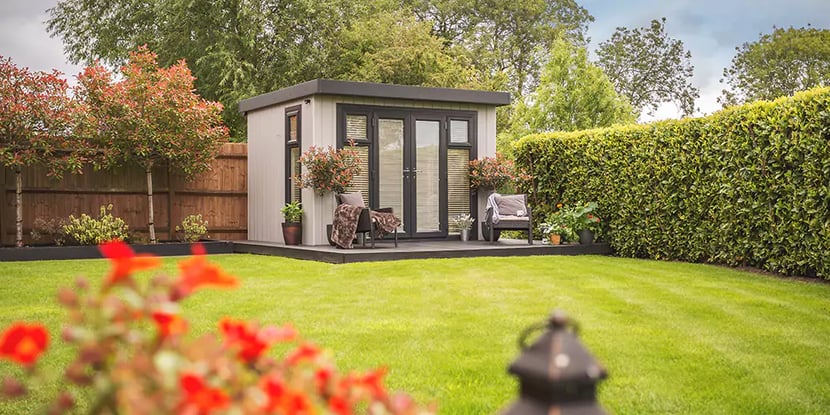
The 50 % Rule: Planning Permission Simplified
When considering how much garden you need, it’s also important to understand the planning side, specifically the widely referenced “50% rule.”
In simple terms, permitted development guidelines state that garden buildings should not take up more than 50% of the land surrounding your home. This includes existing extensions and outbuildings.
For most homeowners, this isn’t a limitation especially with smaller garden rooms. In fact, compact designs often sit well within these guidelines, meaning you can usually install without needing full planning permission.
Other considerations include:
-
Keeping the building within height restrictions
-
Positioning it behind the main property line
-
Avoiding raised platforms beyond a certain height
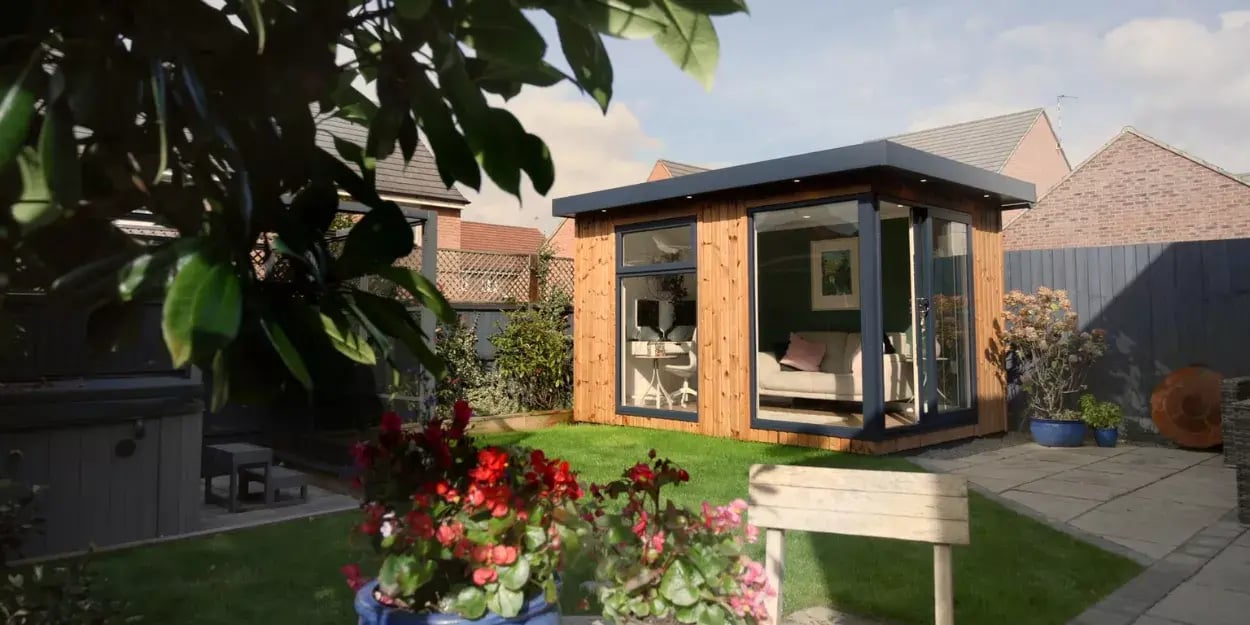
Compact Luxury Layouts
Small doesn’t have to mean basic. One of the biggest shifts in recent years is how garden rooms are being used not just as practical add-ons, but as considered, lifestyle-driven spaces.
A compact garden room can still deliver a high-end feel through:
-
Full insulation for year-round use
-
Large windows or sliding doors to bring in natural light
-
Clean, modern finishes internally and externally
-
Thoughtful lighting and layout choices
It’s less about the size of the building and more about how the space makes you feel when you step inside it.
We’ve seen smaller garden rooms transformed into everything from calming therapy spaces to fully functioning business setups all within a modest footprint. The result is a space that adds genuine value, both to your home and your day-to-day life.

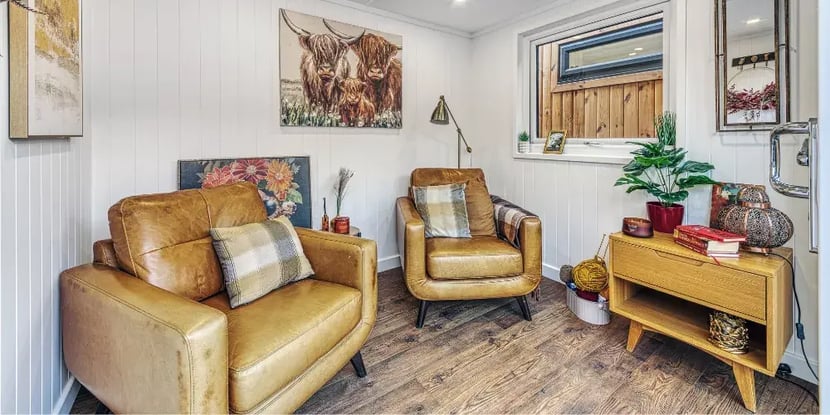
Final Thoughts
You don’t need a large garden to make a big impact.
With the right approach, even limited outdoor space can accommodate a garden room that’s practical, comfortable, and built around how you actually want to use it.
If anything, smaller gardens often lead to more considered, efficient designs and ultimately, spaces that work harder for you.
Visit one of our Cabin Master show sites to explore our range in person, or get in touch with our team to start planning your new office space.