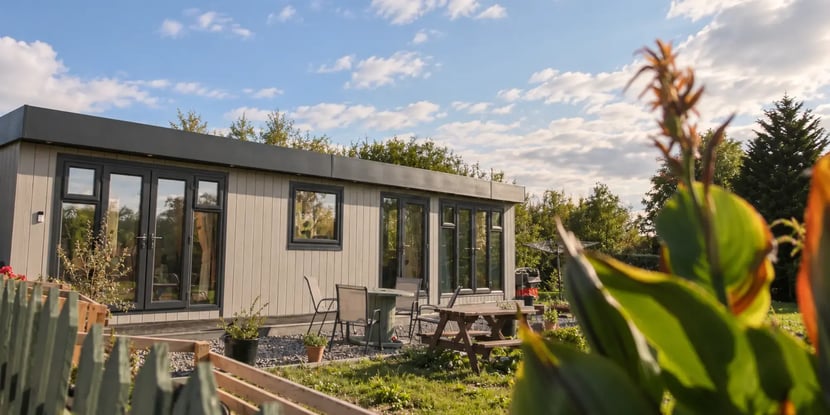
If you're looking to add more space to your home, you'll probably come across both garden rooms and garden annexes. They can look quite similar from the outside, but they're designed for different purposes and have some important differences in how they're constructed. The distinction matters when choosing a garden building, particularly when it comes to insulation, building regulations, planning permission and the facilities you'll need. So, which is right for your garden and requirements? Here's what to consider before deciding...

What is a Garden Room?
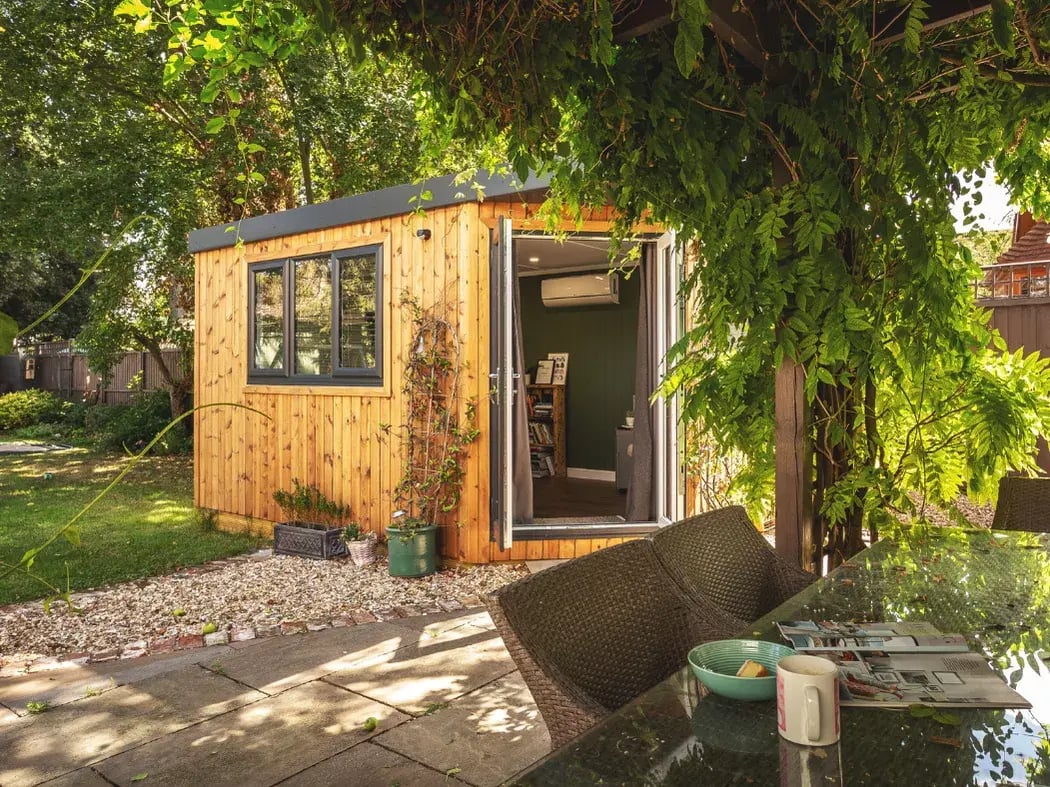
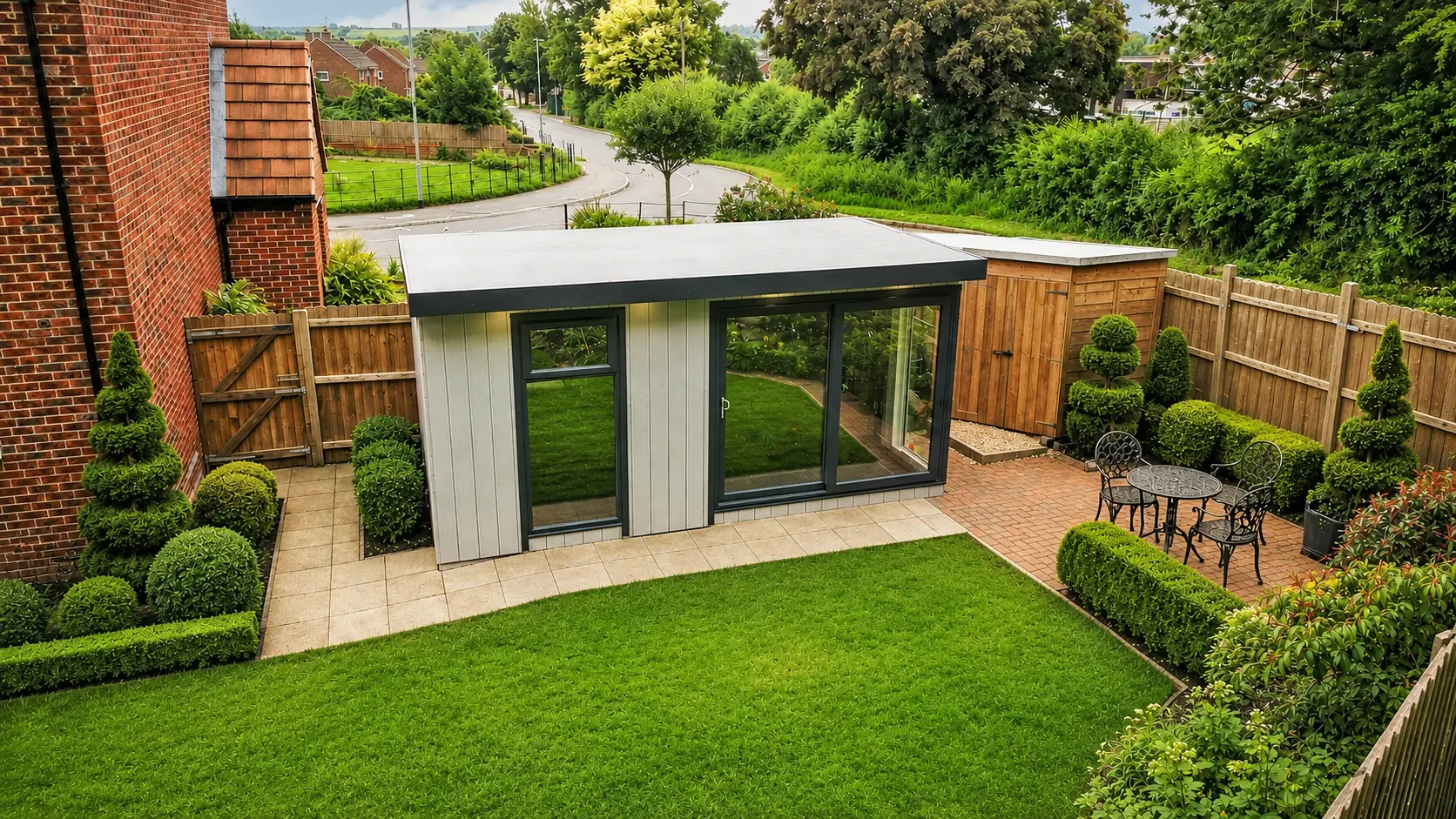
A garden room is an additional building for the garden that provides extra functional space. It's a versatile option that can be designed around how you plan to use it. Some of the most popular uses among garden room owners include:
-
Home office: A dedicated space to work or run your own business from home, away from household distractions.
- Garden gym: Space for exercise equipment, fitness routines and training without having to travel to a public gym.
- Garden bars: a home pub, chill out or entertainment space for hosting friends and loved ones for social occasions
- Hobby rooms: your own area to enjoy your interests, such as painting, crafting, model making or music.
Importantly, a garden room is an extra usable space typically used for relaxation, fitness, hobbies or working from home, rather than a fully-liveable space. For these uses, you don't typically need built-in facilities such as kitchens or bathrooms, but you'll probably want lighting and electrical sockets, which are provided as standard in a Cabin Master garden room.
At Cabin Master, we manufacture our garden rooms with PIR insulation, alongside double glazing, to help create a comfortable space throughout the year. Therefore, you can use your garden room comfortably year-round for your chosen use.

What is a Garden Annexe?
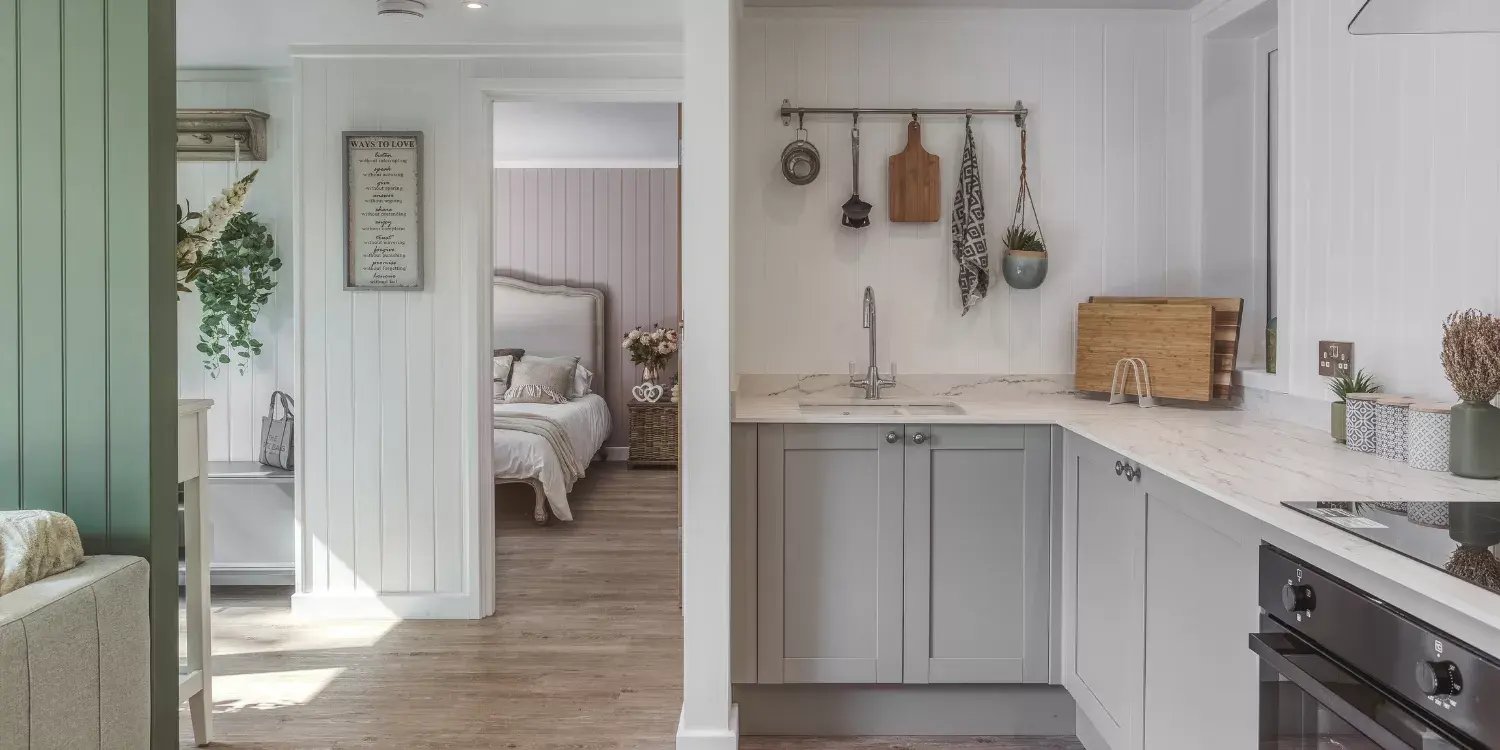
A garden annexe, also commonly referred to as a granny annexe, granny flat or tiny home, provides additional self-contained living accommodation within your garden. Unlike a garden room, it can include the facilities needed for someone to stay or live in there independently.
A garden annexe is commonly used for multigenerational living, such as:
- Older relatives: Providing somewhere for parents or grandparents to live very close by to family while having their own space and maintaining their independence.
- Adult children: A space for grown up children to truly call their own while technically remaining at home.
You may also choose an annexe building to create:
-
Guest accommodation: A comfortable place for friends and family to stay for visits any time of year.
-
Additional accommodation: Providing a separate living space for other suitable residential uses, such as an Airbnb, subject to the relevant permissions.
A garden granny annexe can include a bedroom, living area, kitchen and bathroom, with the layout designed around the person or people who will use it. It's essential to know that because a garden annexe is intended for full-time residential use, its construction and specification need to take account of different requirements from those of a typical garden room.
Garden Room vs Garden Annexe: What's the Difference?
The main difference is how the building is intended to be used. This affects its layout, facilities, insulation specification and the regulations that may apply.
| Feature | Garden Room | Garden Annexe |
| Main purpose | Additional space for work, hobbies, fitness or relaxation | Self-contained or independent living accommodation |
| Typical uses | Office, gym, studio, bar or games room | Guest accommodation, granny annexe or multigenerational living |
| Kitchen and bathroom | Not usually required | Can include kitchen and bathroom facilities |
| Insulation | PIR insulation | Actis Insulation |
| Building Regulations | Depends on the building and intended use | Residential use means Building Regulations requirements should be considered |
| Design | We offer both our set-sized, pre-designed studio range, as well as bespoke garden rooms. | Bespoke residential layout and facilities. |
The right choice will depend on what you want the building to provide. If you simply need another room to work, exercise or relax in, a garden room may be suitable. If you need somewhere with the facilities for someone to stay or live, a garden annexe is likely to be the more appropriate option.
Why Does Insulation Differ Between Your Garden Rooms and Annexes?
Insulation is highly important in both types of garden building, particularly if you want to use the space throughout the entire year. However, a garden annexe has additional requirements because it is designed to provide residential accommodation.
U-values & Part L requirements
At Cabin Master, our garden rooms use PIR insulation, while our garden annexes use Actis insulation.
The insulation specification for an annexe is designed around the thermal performance requirements for residential accommodation. This includes meeting the relevant U-value requirements, which measure how effectively the building elements limit heat loss.
Our annexe specification is designed to exceed the required thermal performance values, including the relevant Part L requirements for energy efficiency.
This is important when comparing garden rooms and annexes. The insulation and wider building specification need to be appropriate for the intended use.
Do Garden Rooms and Garden Annexes Need Planning Permission?
Planning permission depends on the building's size, location, design and intended use. The rules for a garden room can be different from those for a residential annexe, so it's important not to assume that the same permissions apply to both.
Some garden rooms may fall within Permitted Development rights, provided they meet the relevant conditions. However, a garden annexe intended to provide living accommodation can require planning permission, particularly where it would function as a separate dwelling.
Building Regulations are a separate consideration. A building's intended use and specification will determine which requirements apply. Residential accommodation generally has more extensive requirements than a typical garden room.
Choosing Between a Garden Room and a Garden Annexe
If you're still unsure which type of garden building you need, start by thinking about its main purpose. A garden room is a good option if you want additional space for a home office, gym, studio or somewhere to relax. A garden annexe is more suitable if you're looking to create living accommodation for a family member, guest or another residential use.
The construction requirements, facilities and approvals can differ considerably, so it's worth discussing your ideas or plans with an expert before deciding on a design.
At Cabin Master, we design and build bespoke garden rooms and garden annexes around your requirements. Whether you're looking for a flexible extra room or a fully specified annexe, our team can help you explore the options for your home and garden.
Arrange a free design meeting (either in person at our Nottingham show site or virtually from the comfort of your own home) to discuss your ideas and find out what's possible.